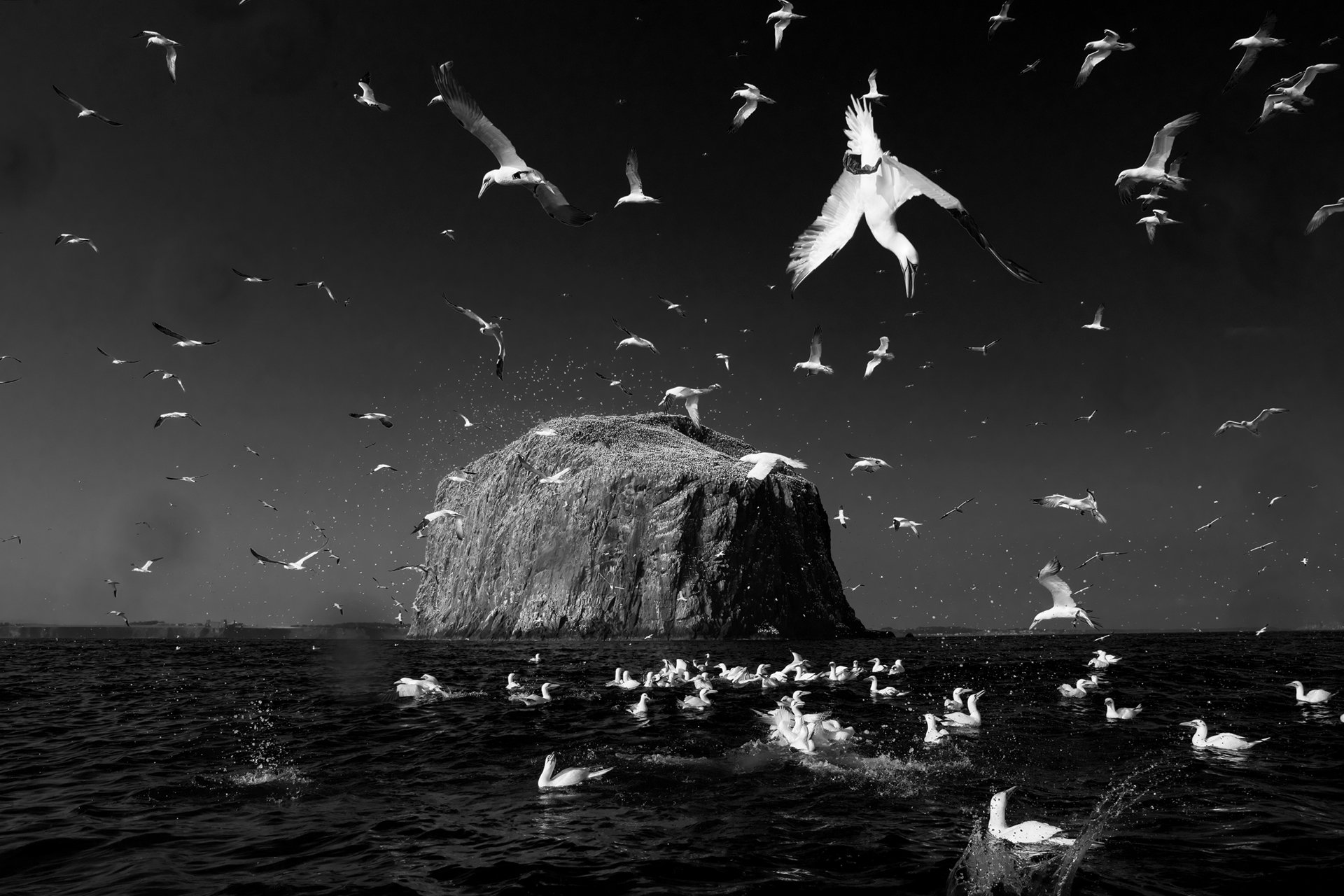
On-boat
Colony & flight shots
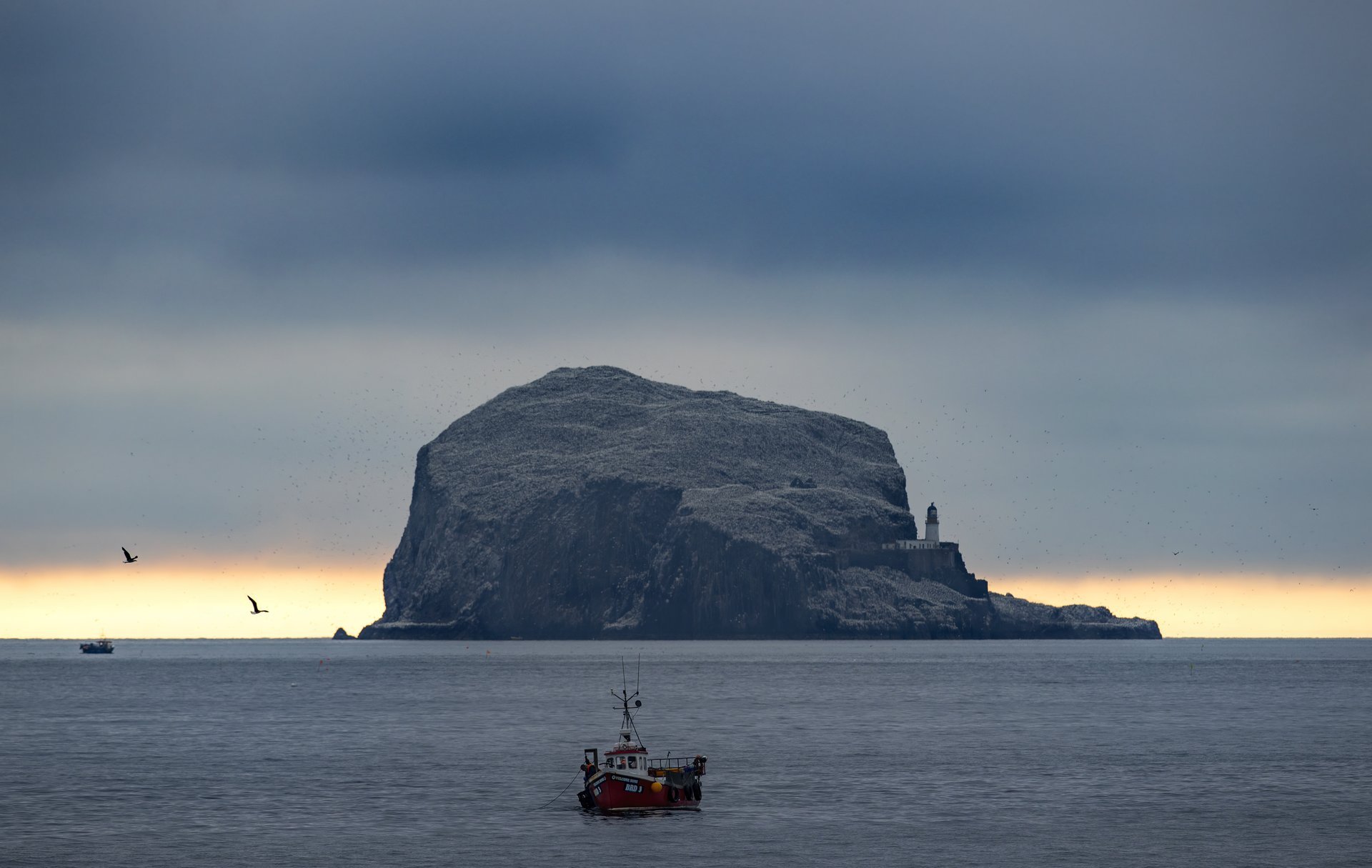
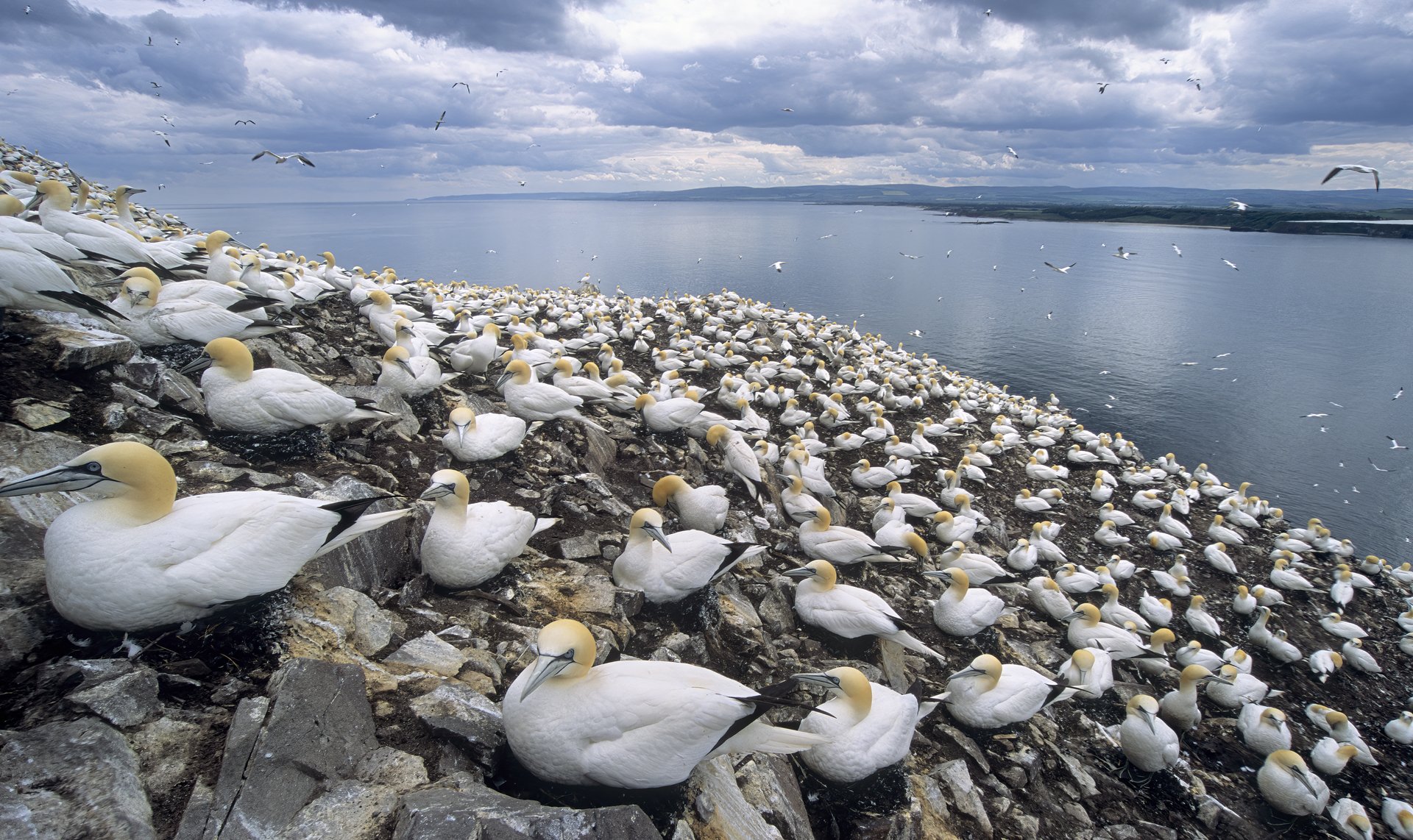
Early departure to chase the light. Landscapes of gannets and the mighty Bass Rock, plus longer lenses for colony behaviour and birds in flight.
Workshops · Bass Rock, Scotland
A focused 4–5 hour boat-based photography expedition at the world's largest gannet colony, including in-water photography with diving gannets. Led by Brian W Matthews.
Per person · Maximum 5 places · 2026 season
The experience
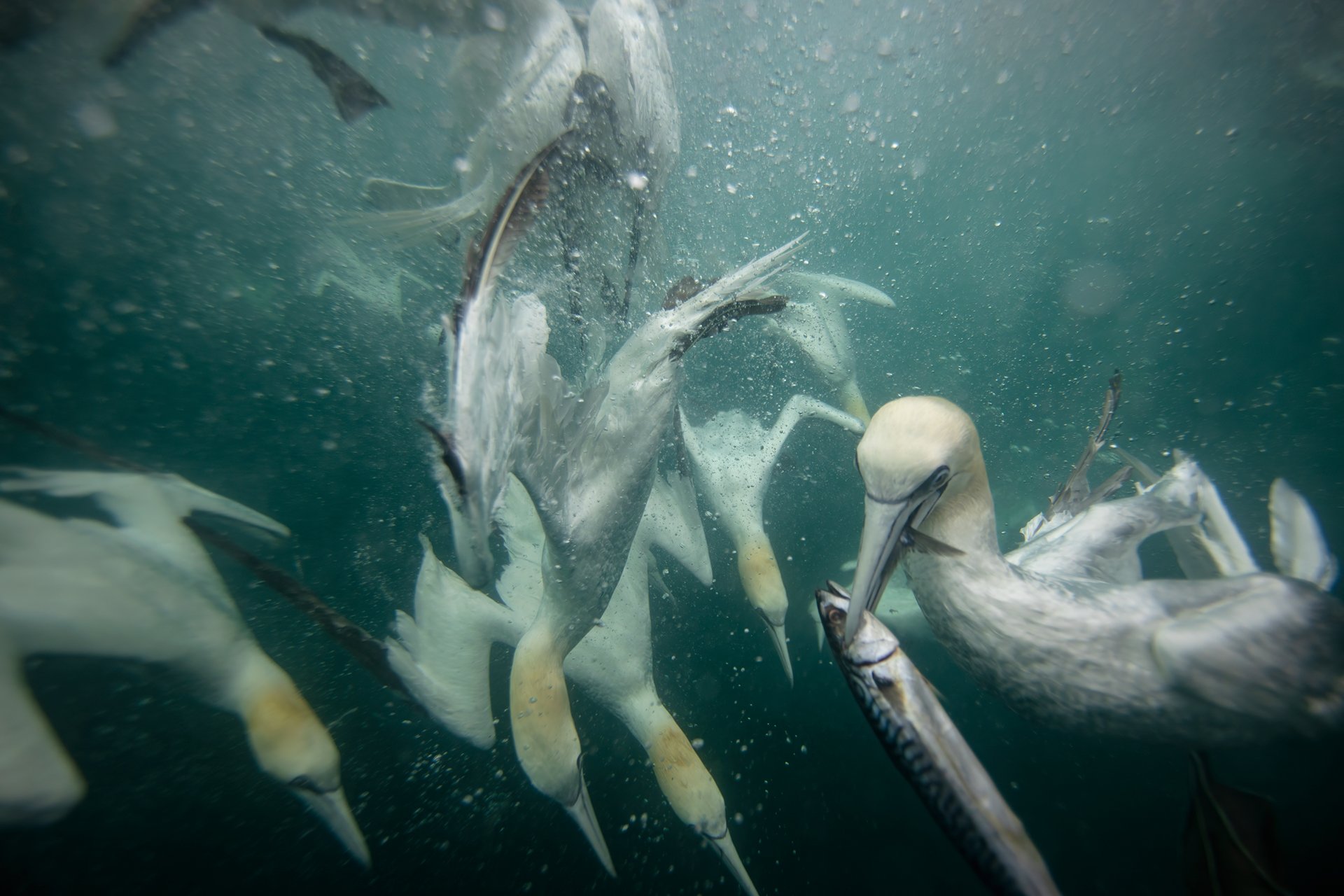
This specialist photography expedition to the waters around Bass Rock places you in the middle of one of the UK's most spectacular wildlife events, a Northern Gannet feeding frenzy.
Working from a dedicated photography charter, the workshop is led by wildlife and conservation photographer Brian W Matthews and focuses on capturing fast-moving seabird behaviour both above and below the surface.
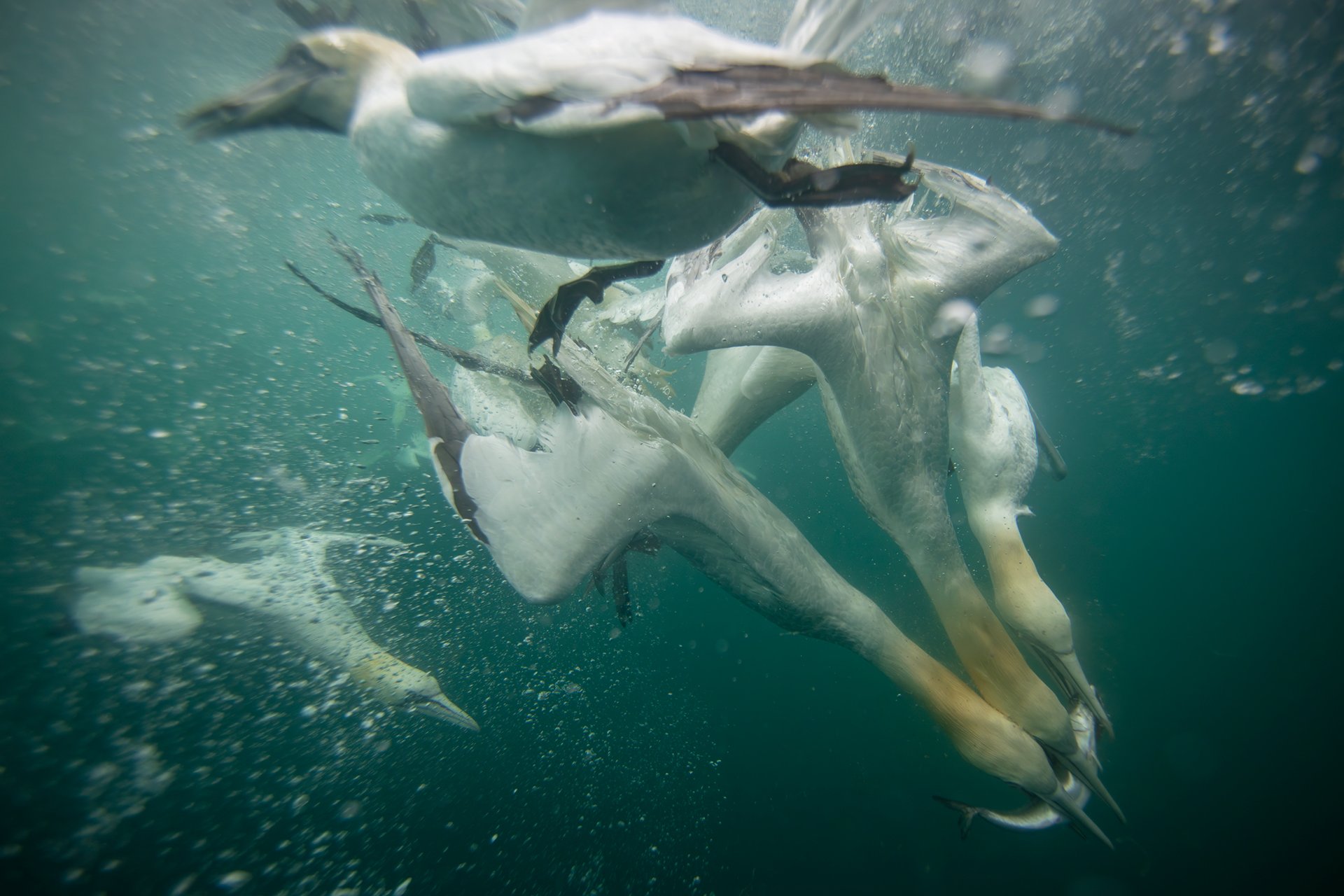
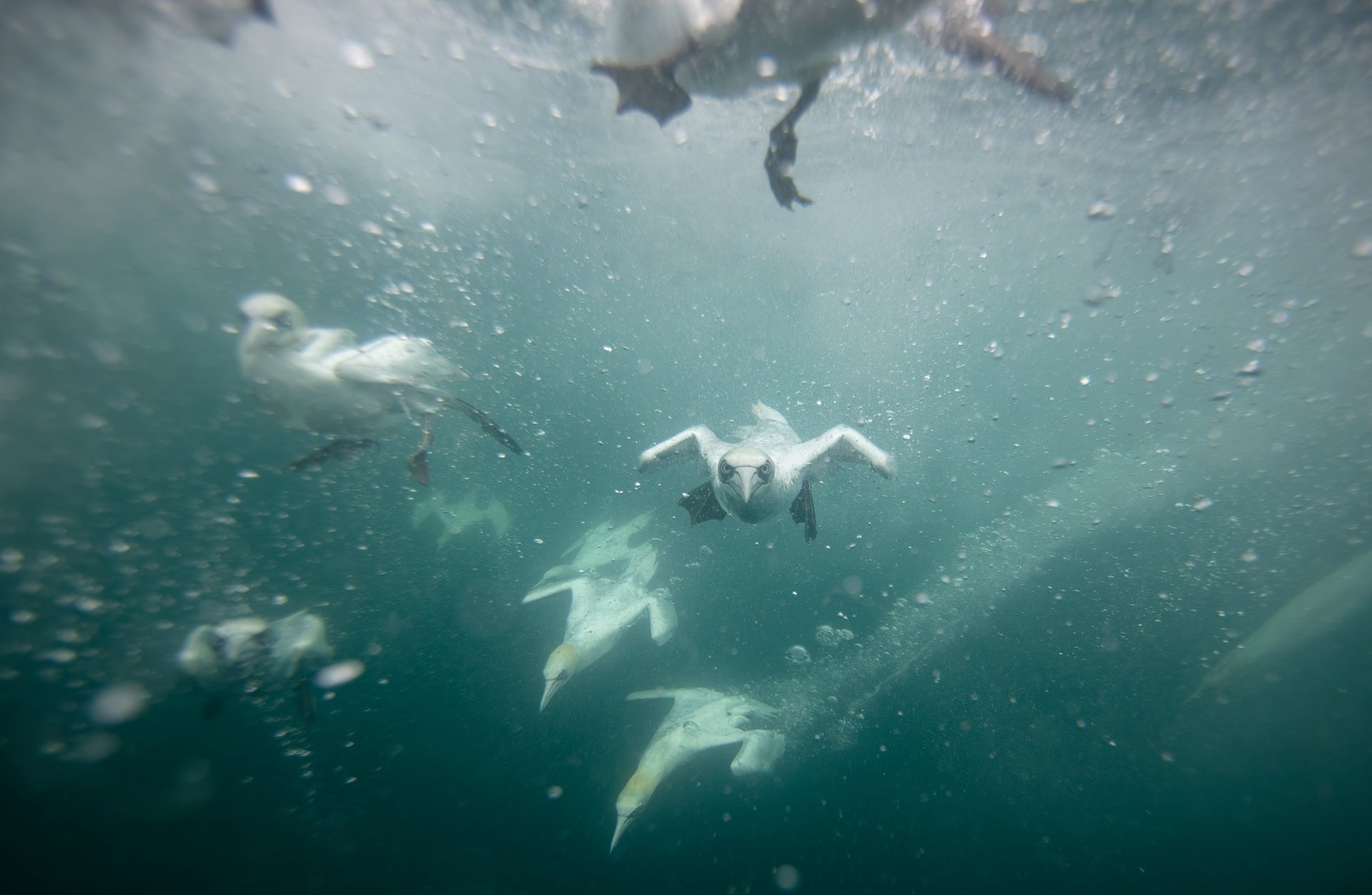
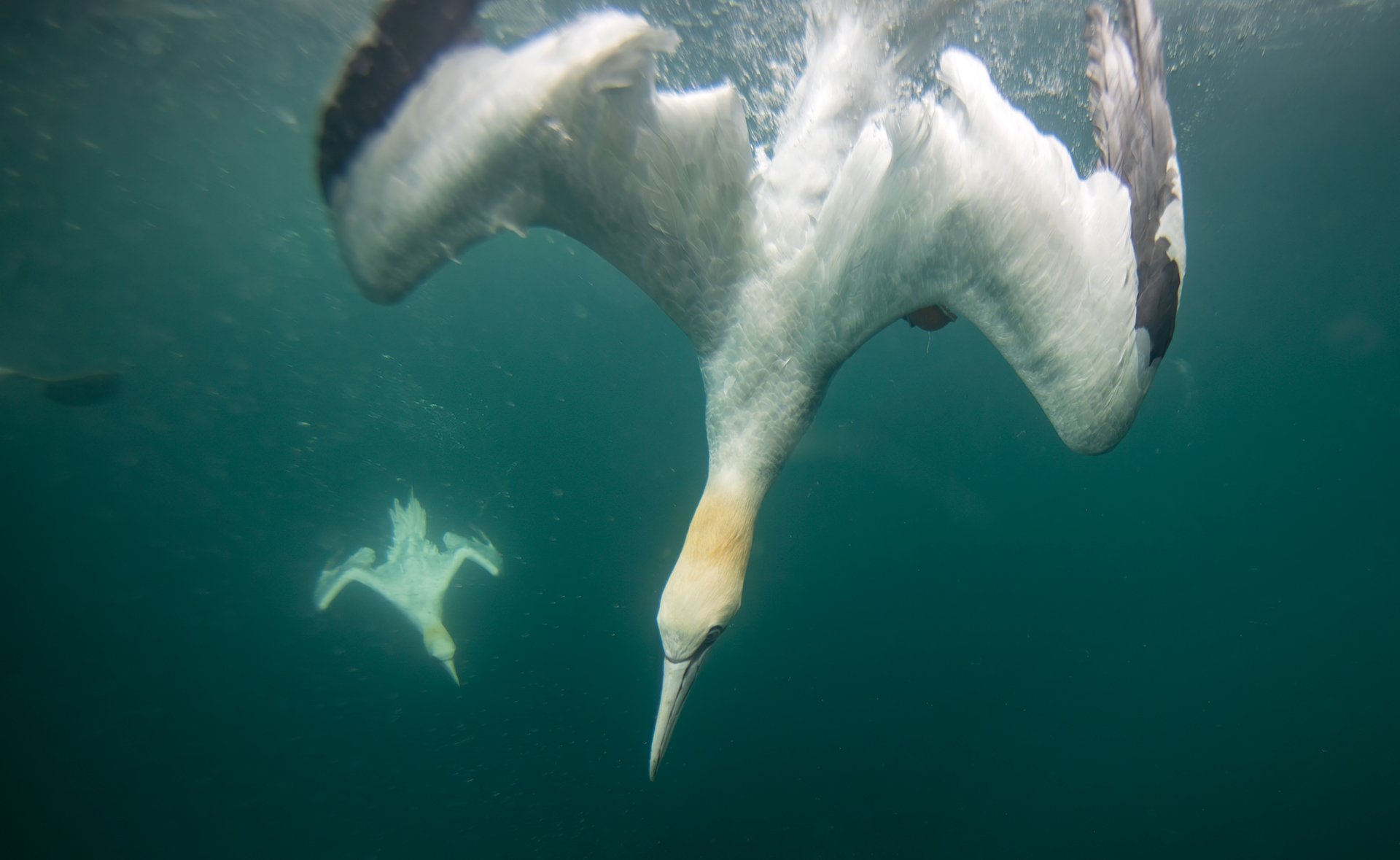
Northern Gannets dive from heights of over 30 metres, hitting the water at speeds approaching 60mph in a burst of wings, bubbles and spray. From the boat, you'll photograph flight behaviour, plunge-diving and feeding activity, alongside opportunities to work close to Bass Rock and its internationally important colony.
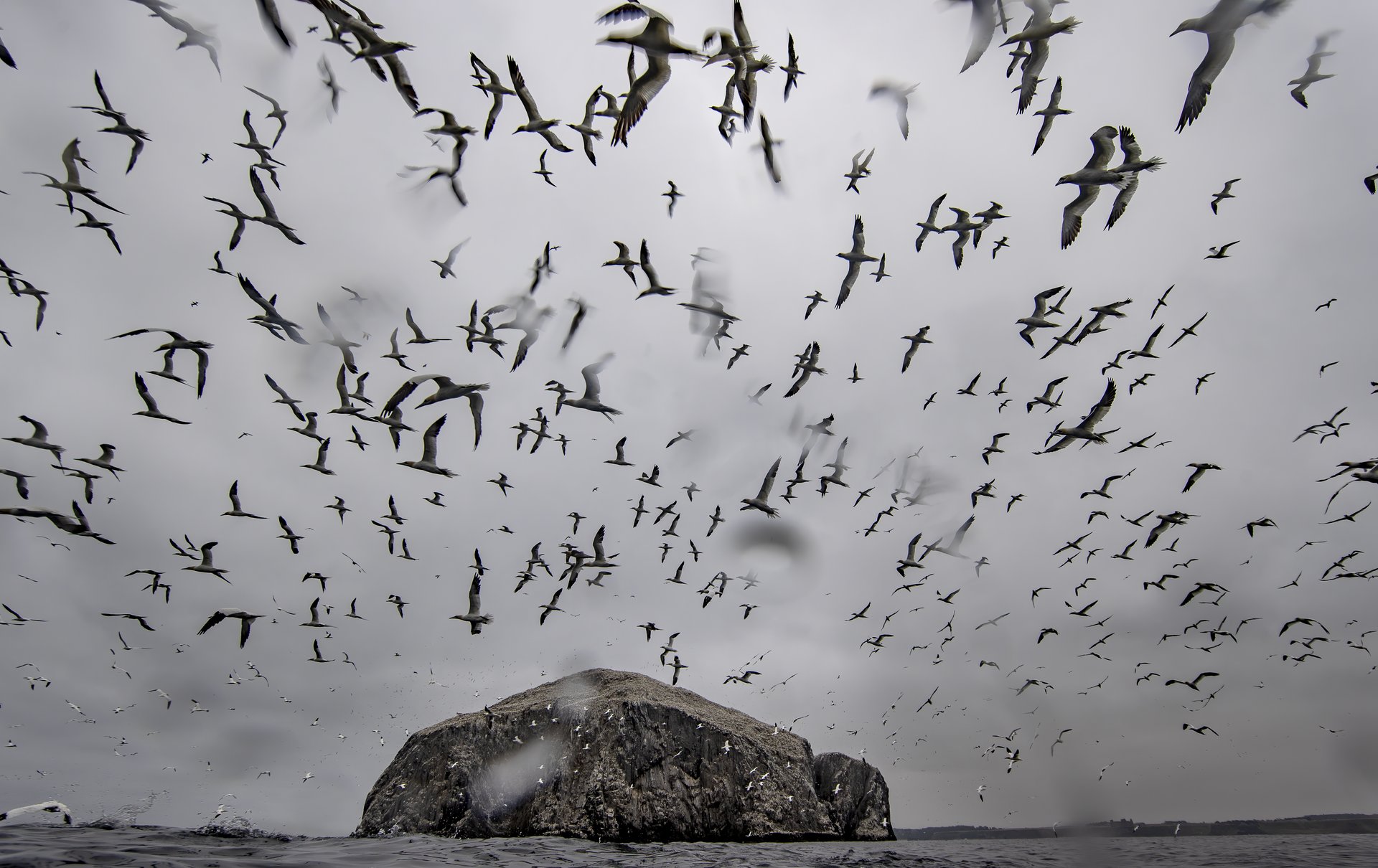
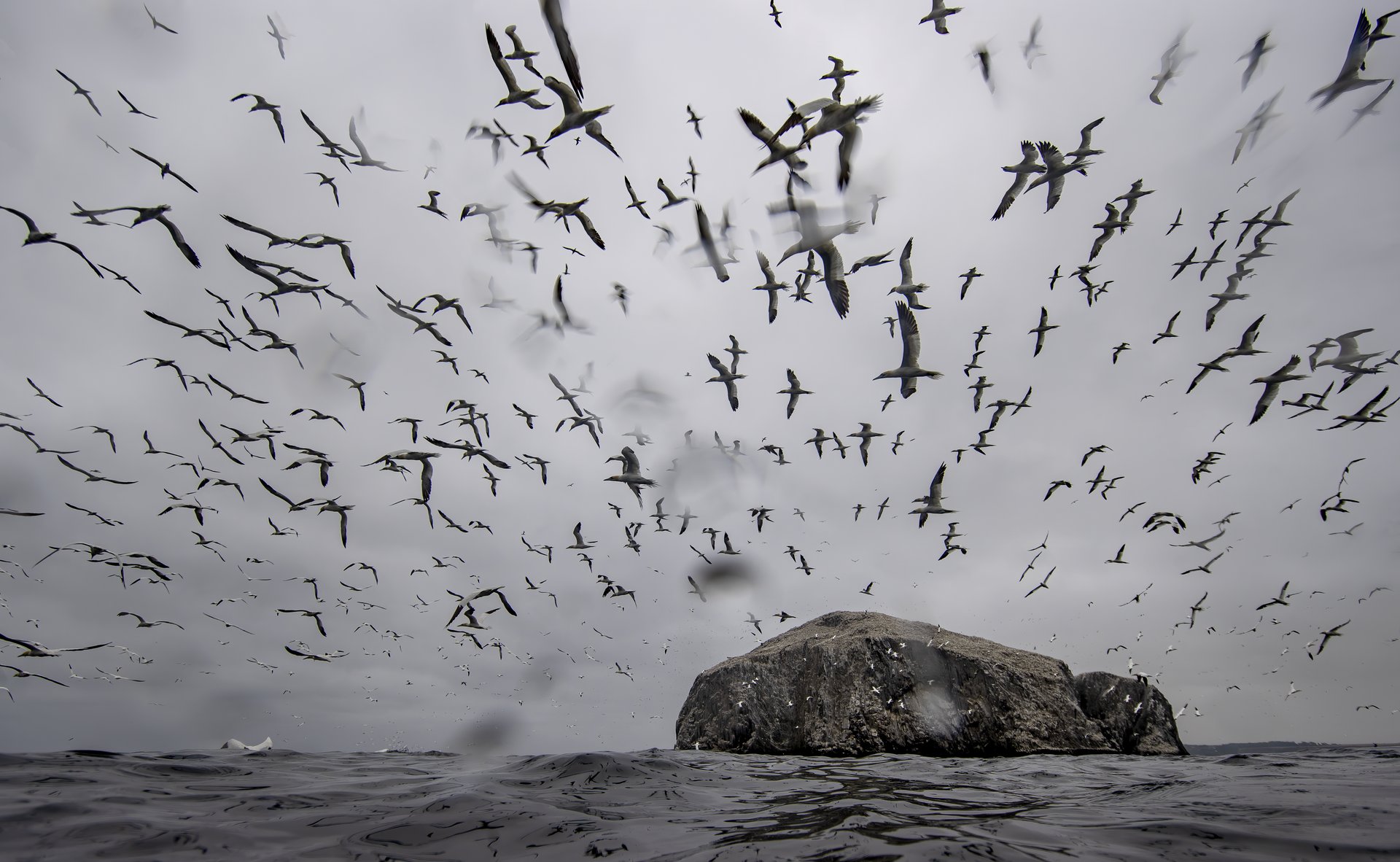
Weather and sea conditions permitting, participants will also have the opportunity to enter the water for surface-level and underwater photography as the birds feed around the boat. Those who prefer not to enter the water will still have extensive photographic opportunities from the vessel throughout the session.
The workshop suits photographers and filmmakers who are comfortable working in open water and marine conditions. Participants rotate in and out of the water in small groups while feeding activity continues, and Brian will be in the water throughout to support you: helping with entry and exit, moving equipment, guiding positioning and camera settings, and helping you make the most of the changing conditions. Safety on and around the vessel remains the priority throughout.
To encourage natural feeding behaviour close to the vessel, herring is used as chum, expect wet, noisy and occasionally messy conditions onboard. All part of working within an active marine wildlife environment.
Getting the shot
The session is structured around three photographic approaches, so you come away with as varied a set of images as possible. You'll work across all three depending on conditions and bird activity.
On-boat
Early departure to chase the light. Landscapes of gannets and the mighty Bass Rock, plus longer lenses for colony behaviour and birds in flight.
Surface level
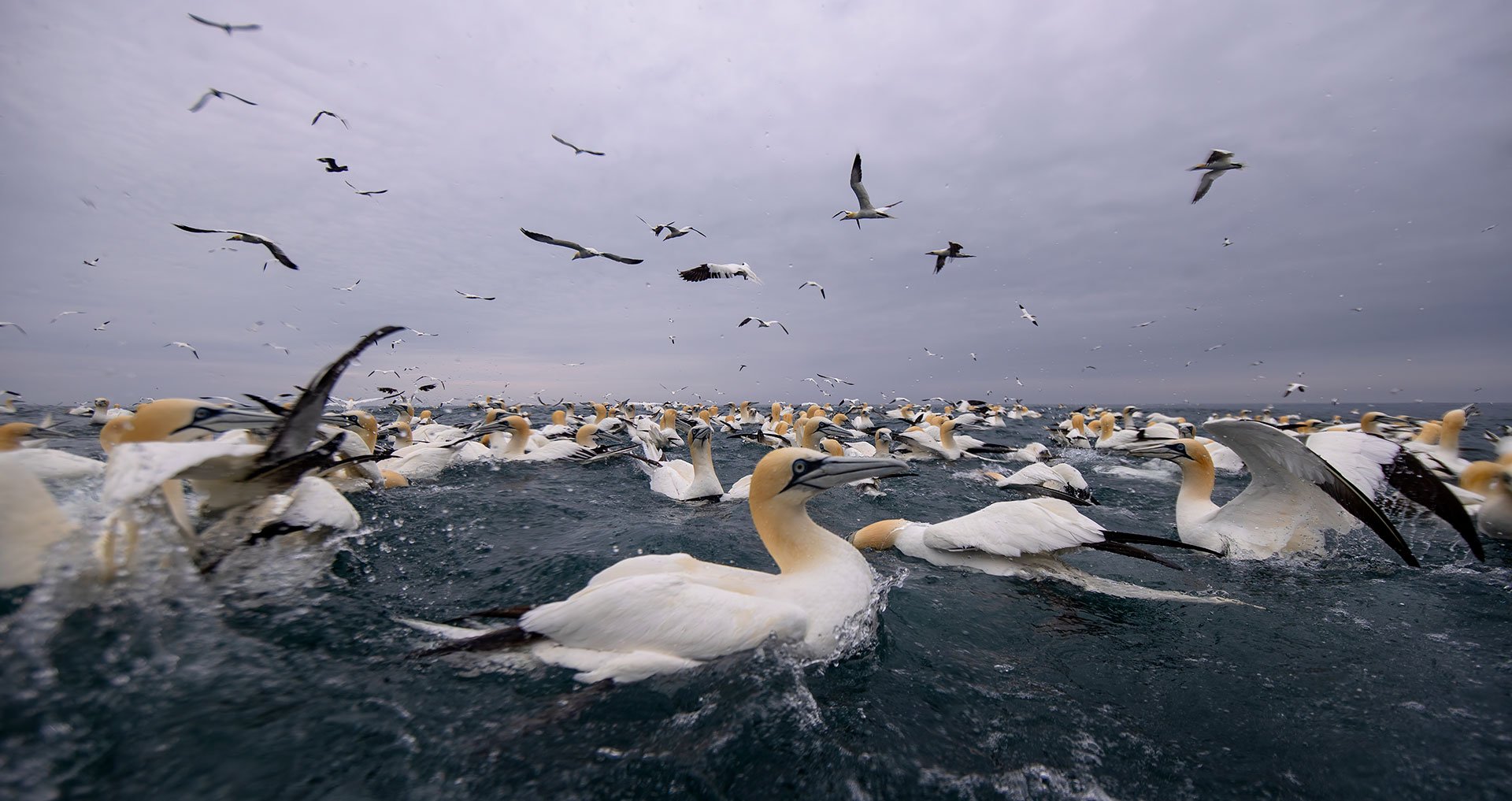
Camera at water level, capturing gannets hitting the surface and above/below split compositions. Dome-port technique introduced, working close to active feeding areas.
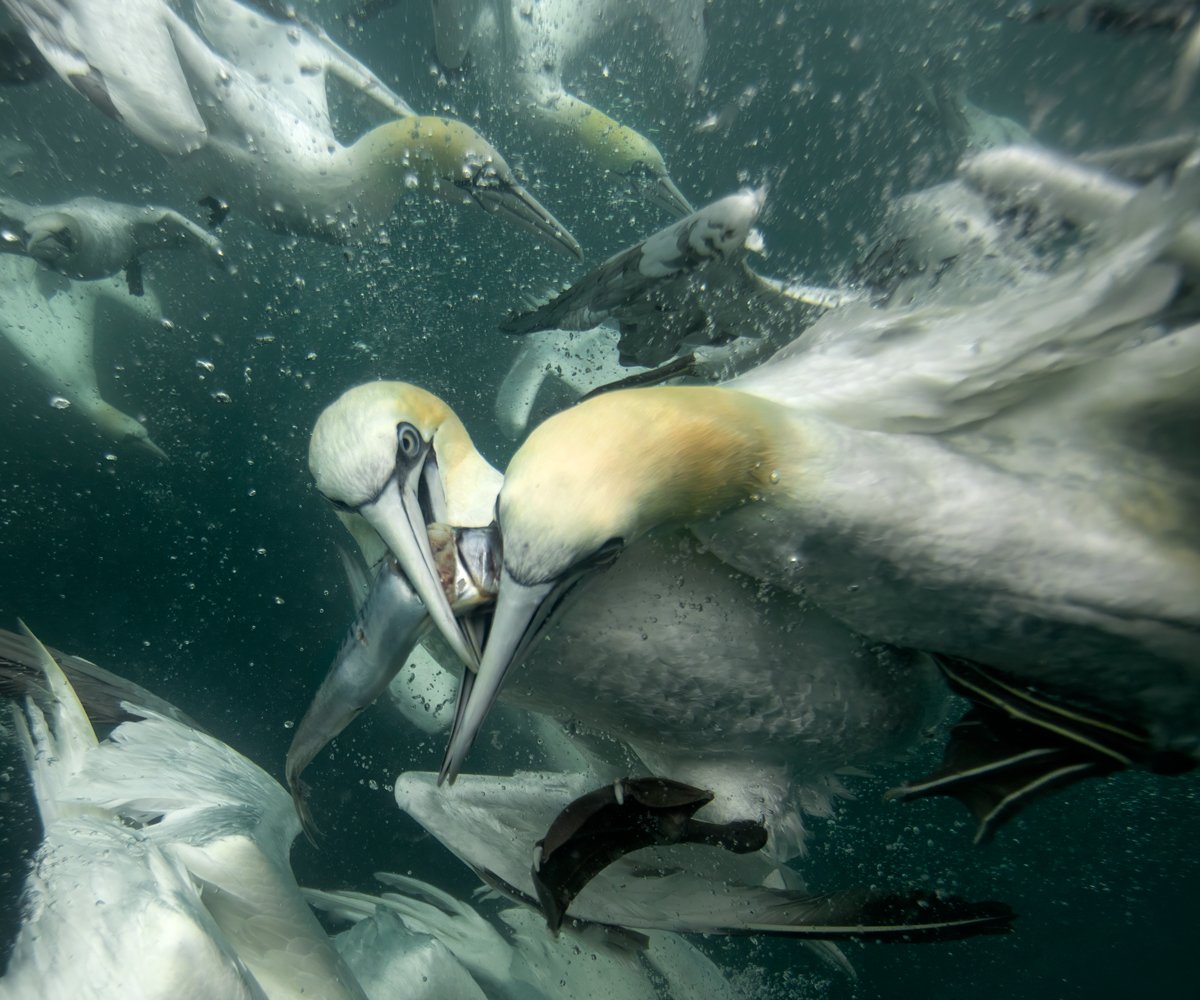
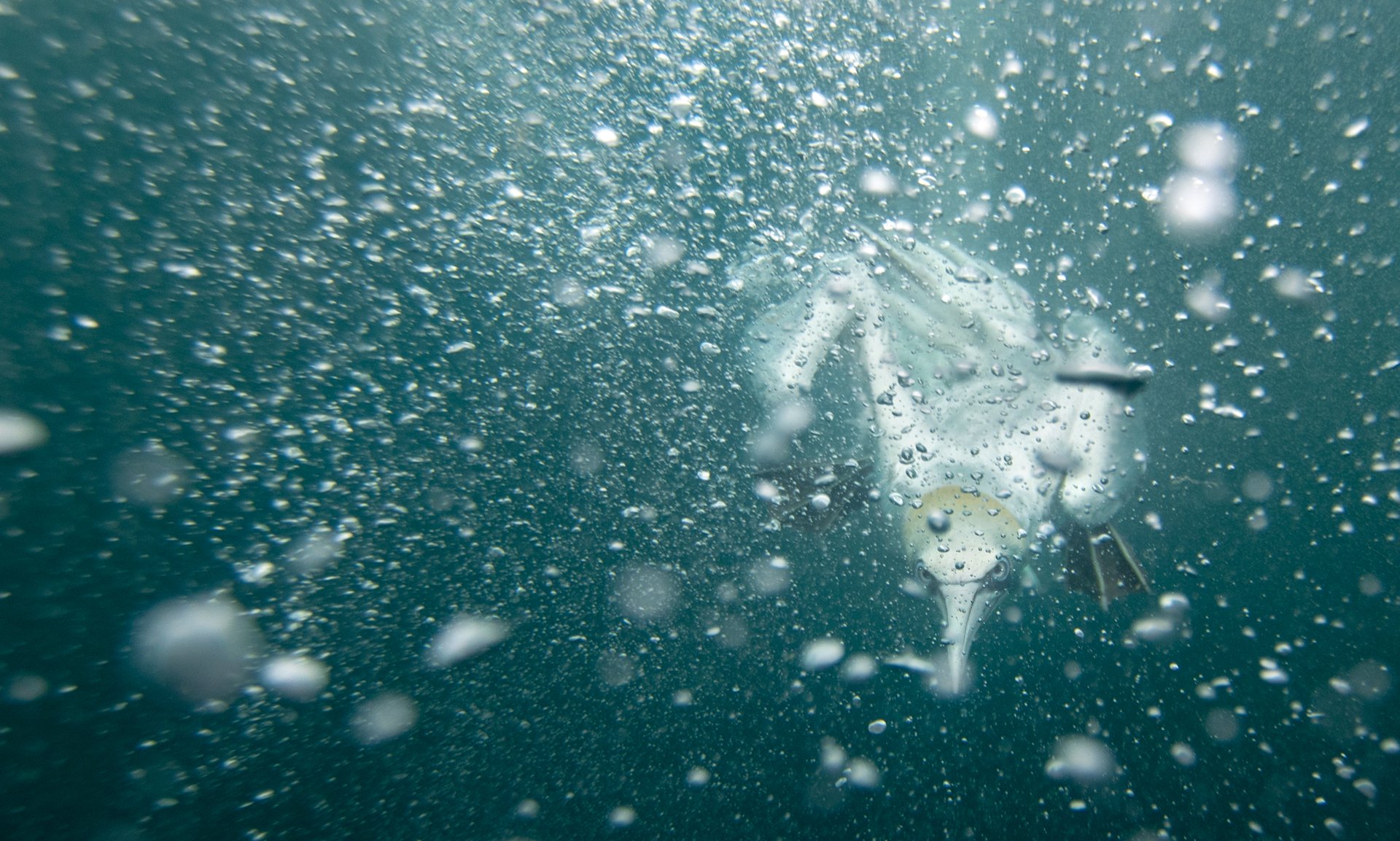
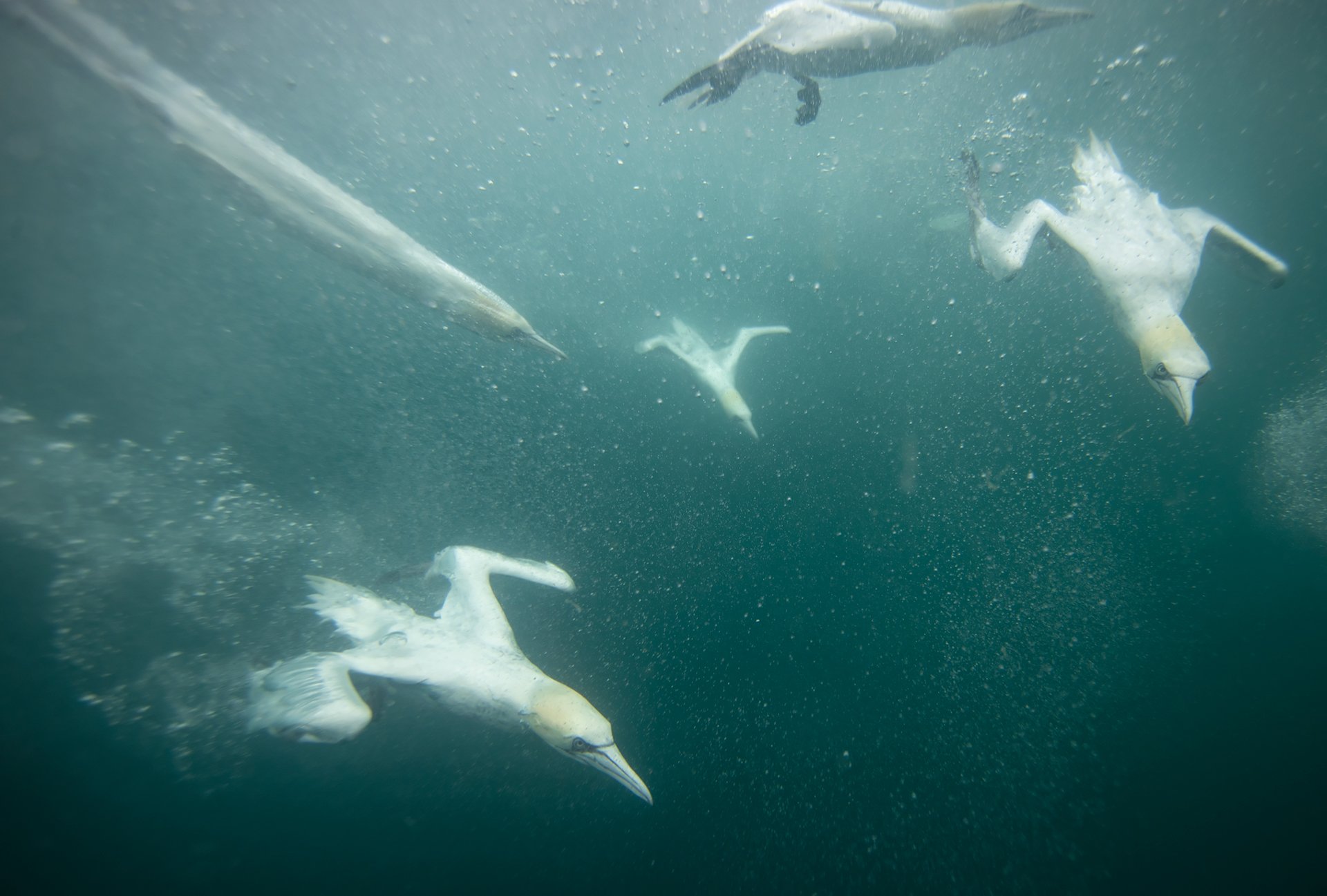
In-water
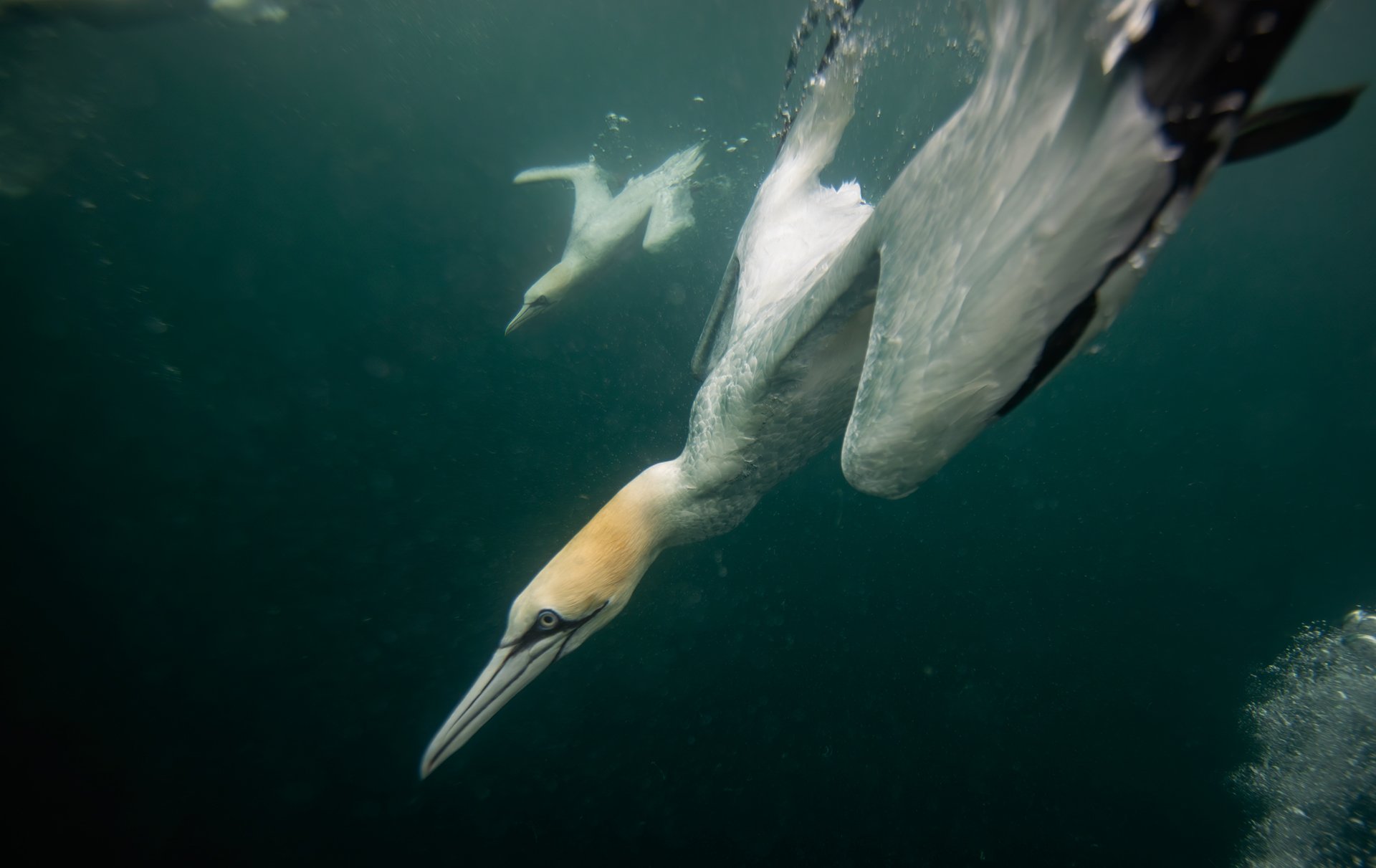
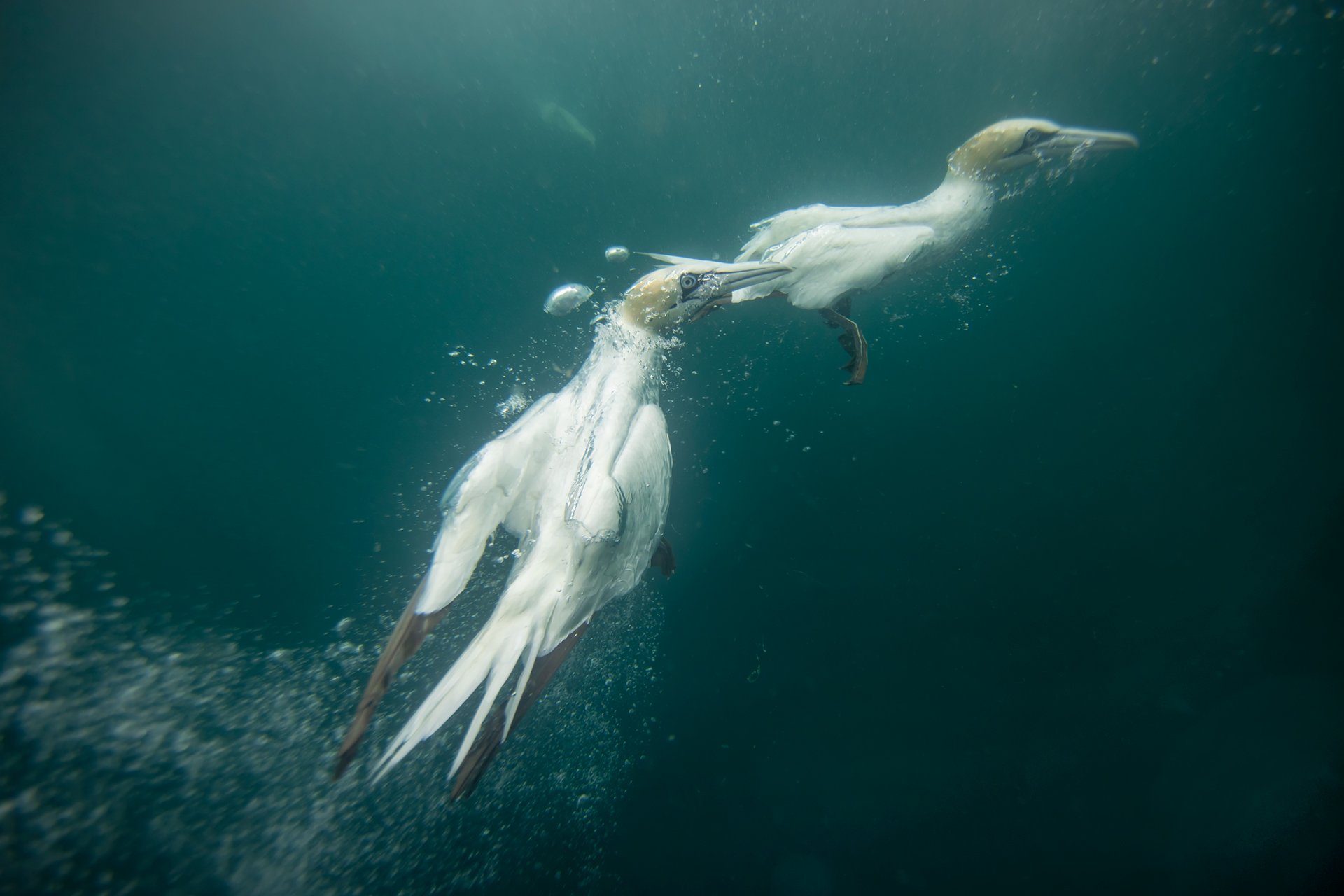
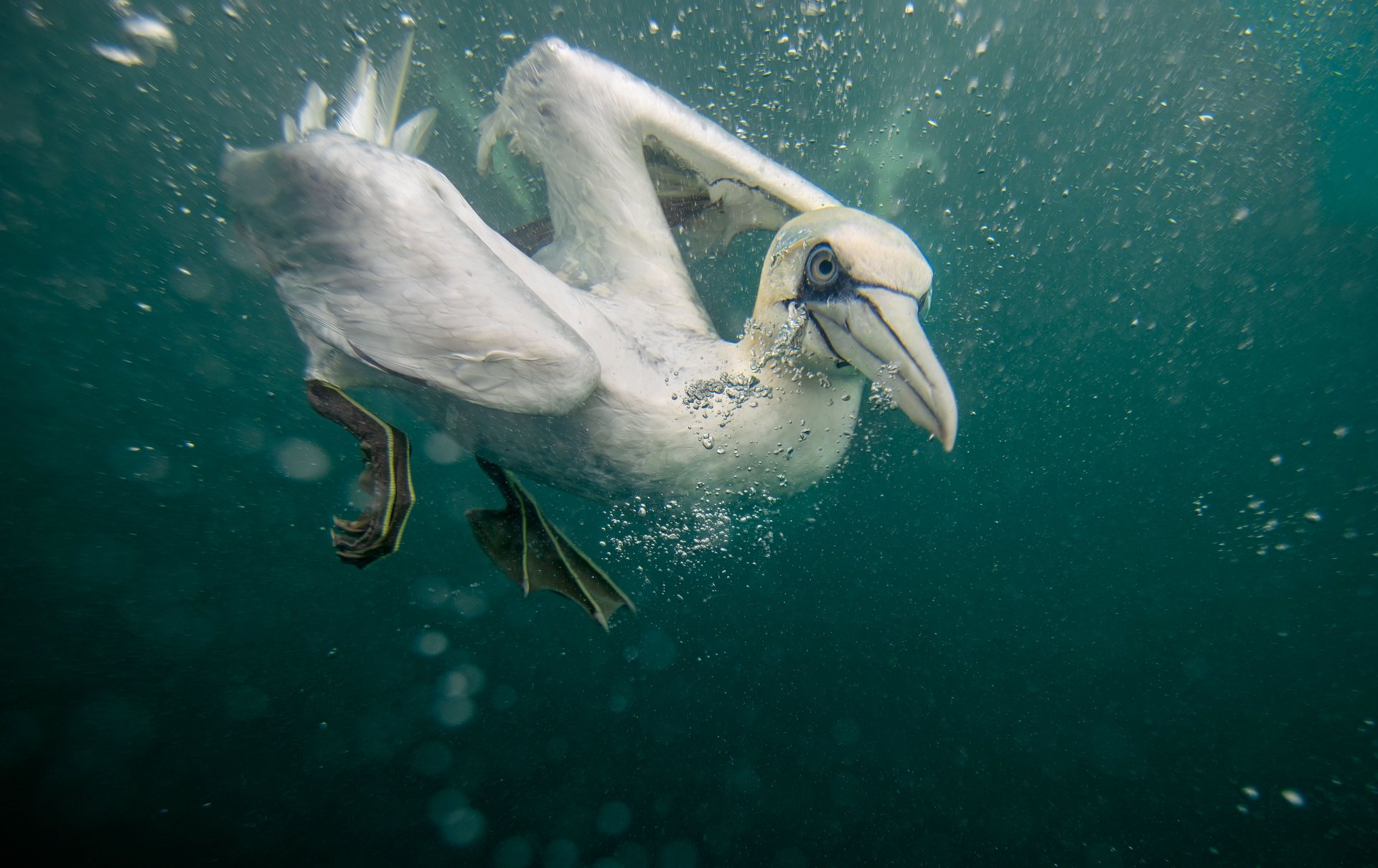
Ten-minute rotations in the water during active feeding, gannets dive and swim around you. Bubble trails, dive sequences and pursuit behaviour, sea conditions permitting.
Register your interest
Booking terms
Ready to book your place?
Use our enquiry form to register interest in the Bass Rock Gannet Workshop, let us know your in-water experience, preferred dates, and any equipment you might need to hire. Brian will be in touch with available 2026 dates within 48 hours.
Register Interest, £450 →Questions about kit, dates or in-water experience? Mention them in your message and Brian will cover everything when he replies.
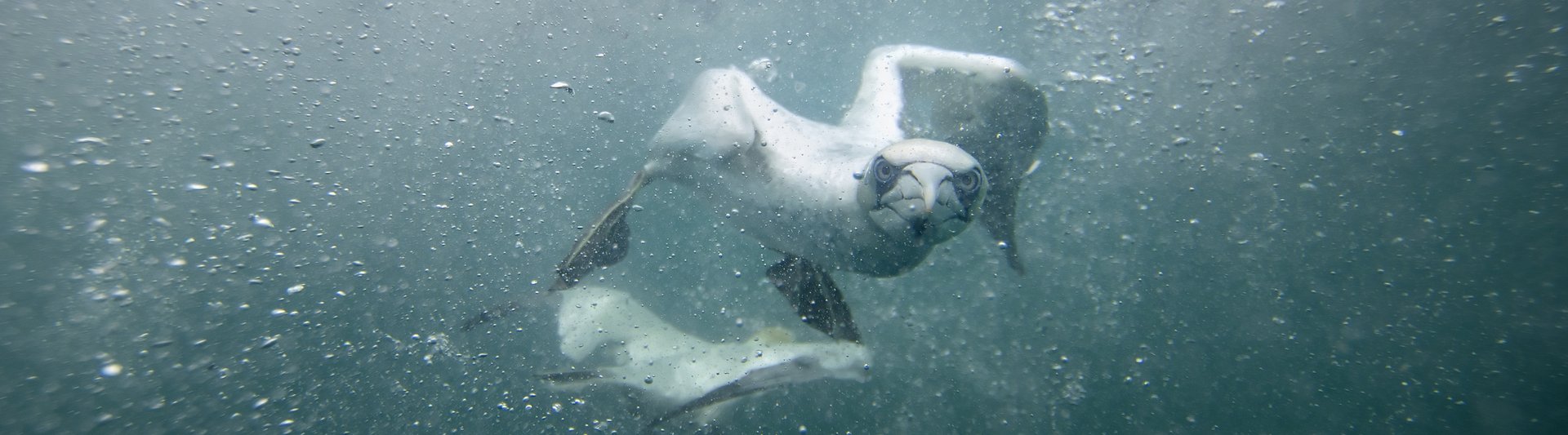
"The noise, the bubble streams, gannets everywhere, it's the most amazing experience." Brian Matthews
Day schedule
The exact timing adapts to tides, light and bird activity, but this is the typical structure for the day. Total time on the water is 4–5 hours.
Pre-departure
Meet Brian and the Blue Wild team at the harbour. Kit check, hire-kit issue, housing setup and a quick camera-settings briefing, plus a chat through the day's conditions and plan.
On-boat session
The boat heads to Bass Rock for colony shots, gannets in full flight and wide atmospheric scenes. We'll find the best positions and light, accommodate specific requests where we can, and start chumming to bring on diving and flocking activity for stills and video.
In-water session (conditions permitting)
Wet entry from the vessel. Each person rotates through time in the water, eye-level and split-level shots as gannets hit the surface, then underwater as they dive around you: bubble trails, impact sequences and pursuit behaviour. While you wait for your rotation there's plenty to shoot from the boat, with gannets feeding and diving all around.
Final phase
Once the food is finished we'll grab a few last shots and focus on getting dry and warm as we head back to Dunbar Harbour.
Back at harbour
A quick kit check to make sure everyone has everything (and any hire kit is returned), a short debrief, then back home or to your hotel.
Field conditions
This is a working photography session in open North Sea conditions. We don't downplay the physical side of the day, it's part of why the photography is rare and valuable.
Moving vessel
All photography is from a moving boat. Sea state varies, sea-sickness medication is recommended if you're susceptible.
Cold water
North Sea temperatures are cold year-round. A 7mm wetsuit with hood is strongly recommended for anyone entering the water.
Weather dependent
The schedule adapts daily to conditions. In-water sessions depend on sea state and underwater visibility, no guarantees, but we'll give as much warning as possible.
Dress warm
Even in summer the North Sea can be cold and windy. Bring warm layers for the boat and a good waterproof jacket, you'll be glad you did. Ask the team beforehand for clothing tips.
Kit & equipment
Bring your own in-water kit where you can, weight belts are provided. Some underwater camera housings with cameras are available to hire (please check availability when booking). If you need help sourcing anything else, just ask and we'll do our best to help.
From the colony
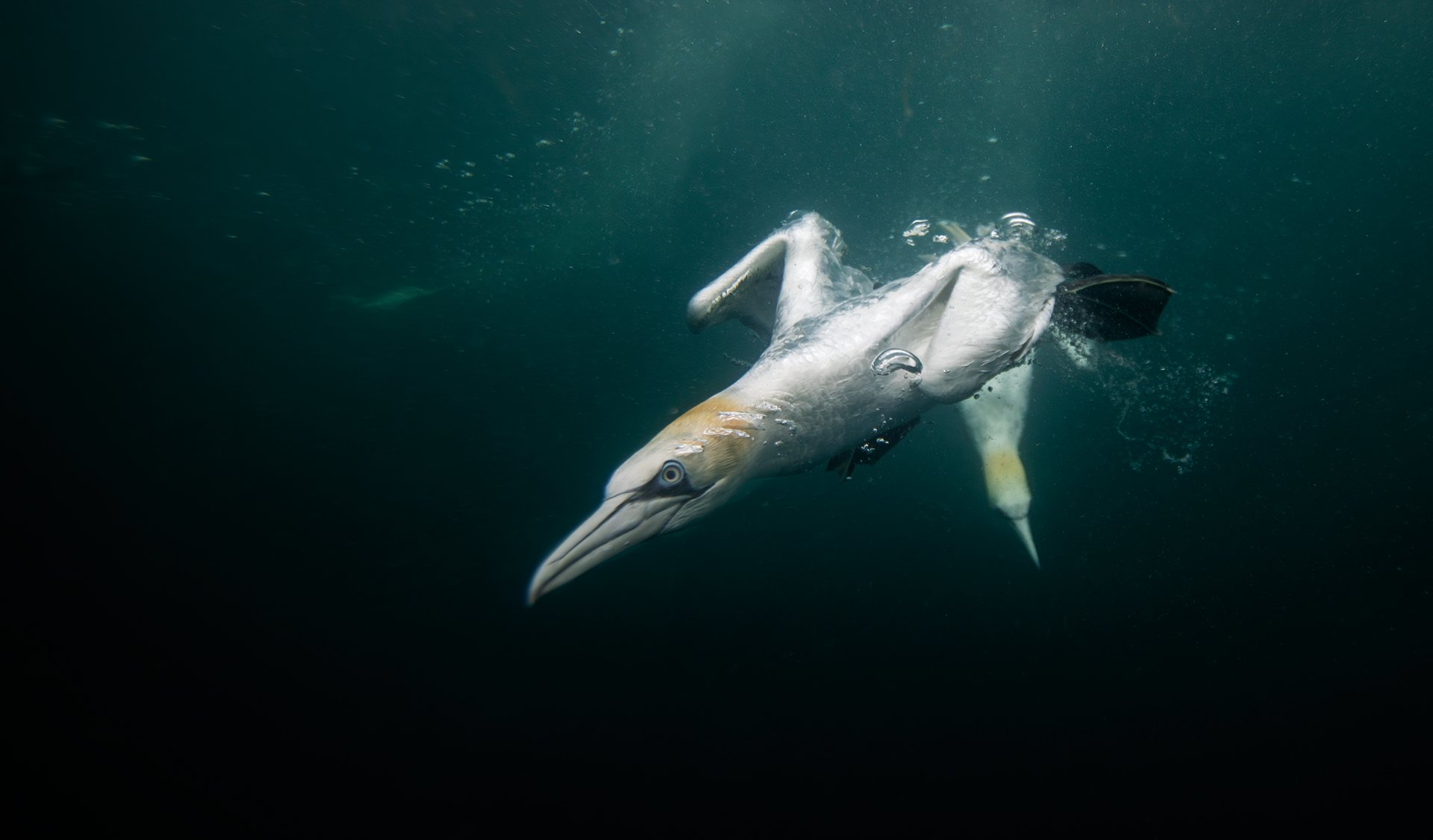
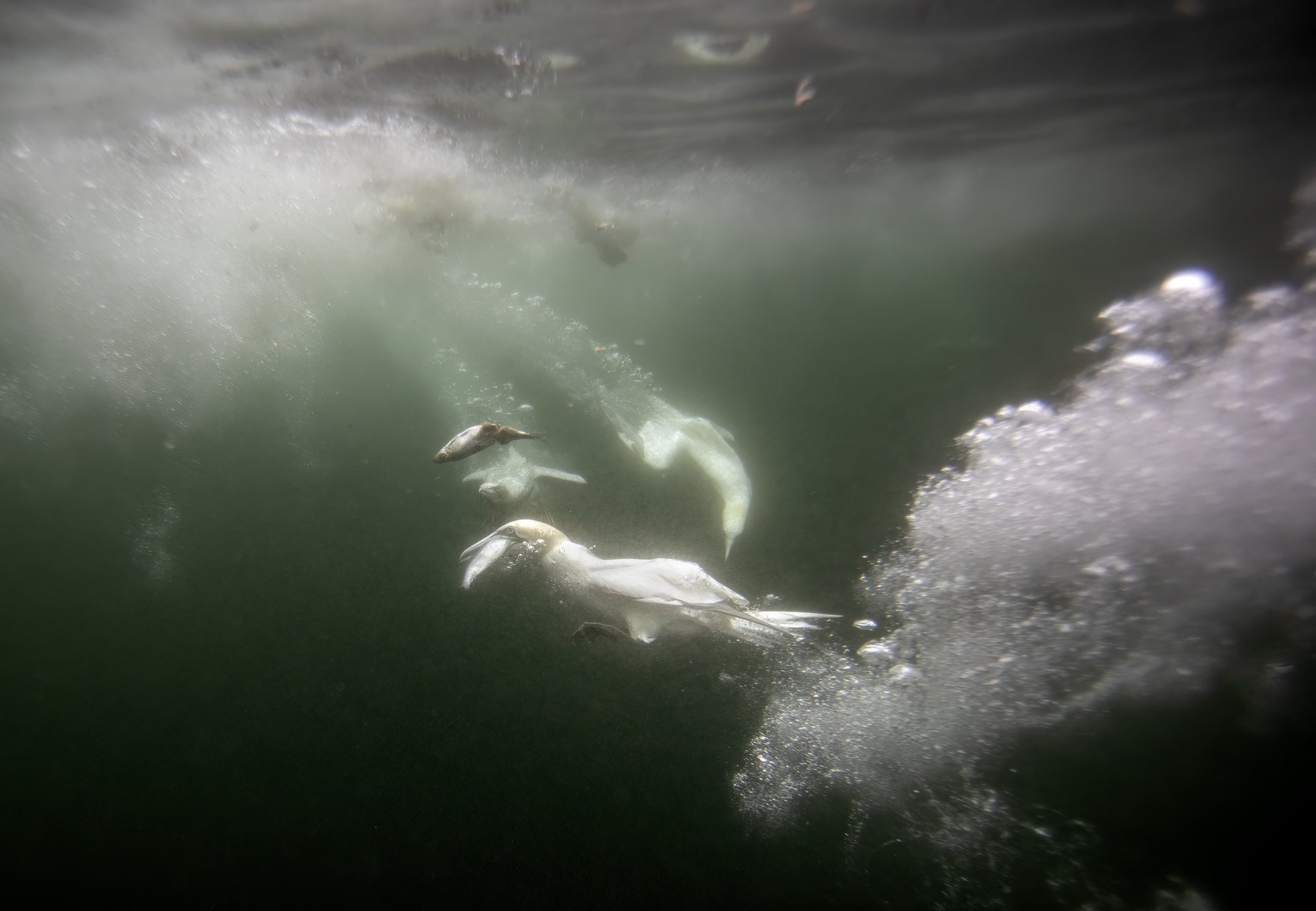
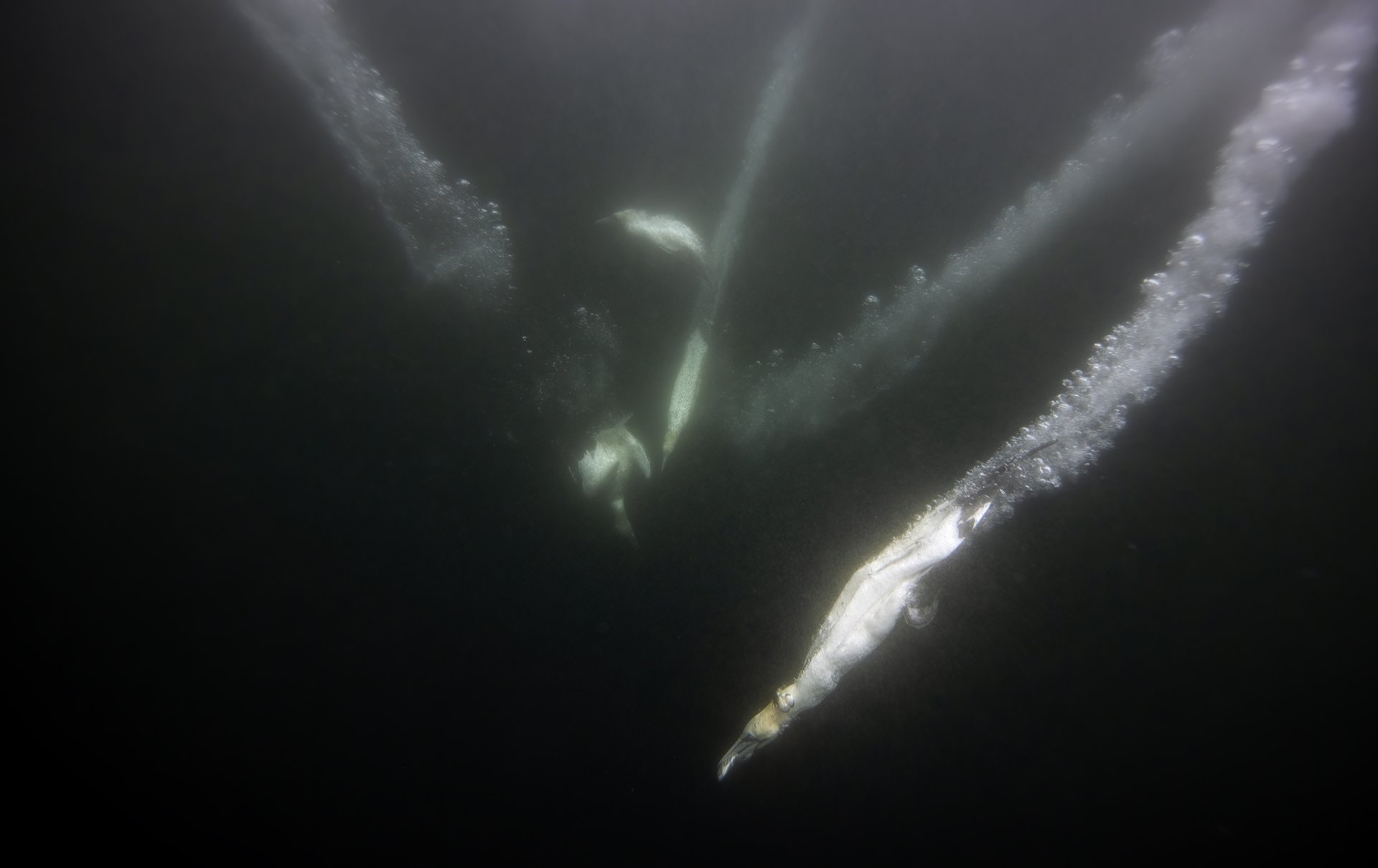
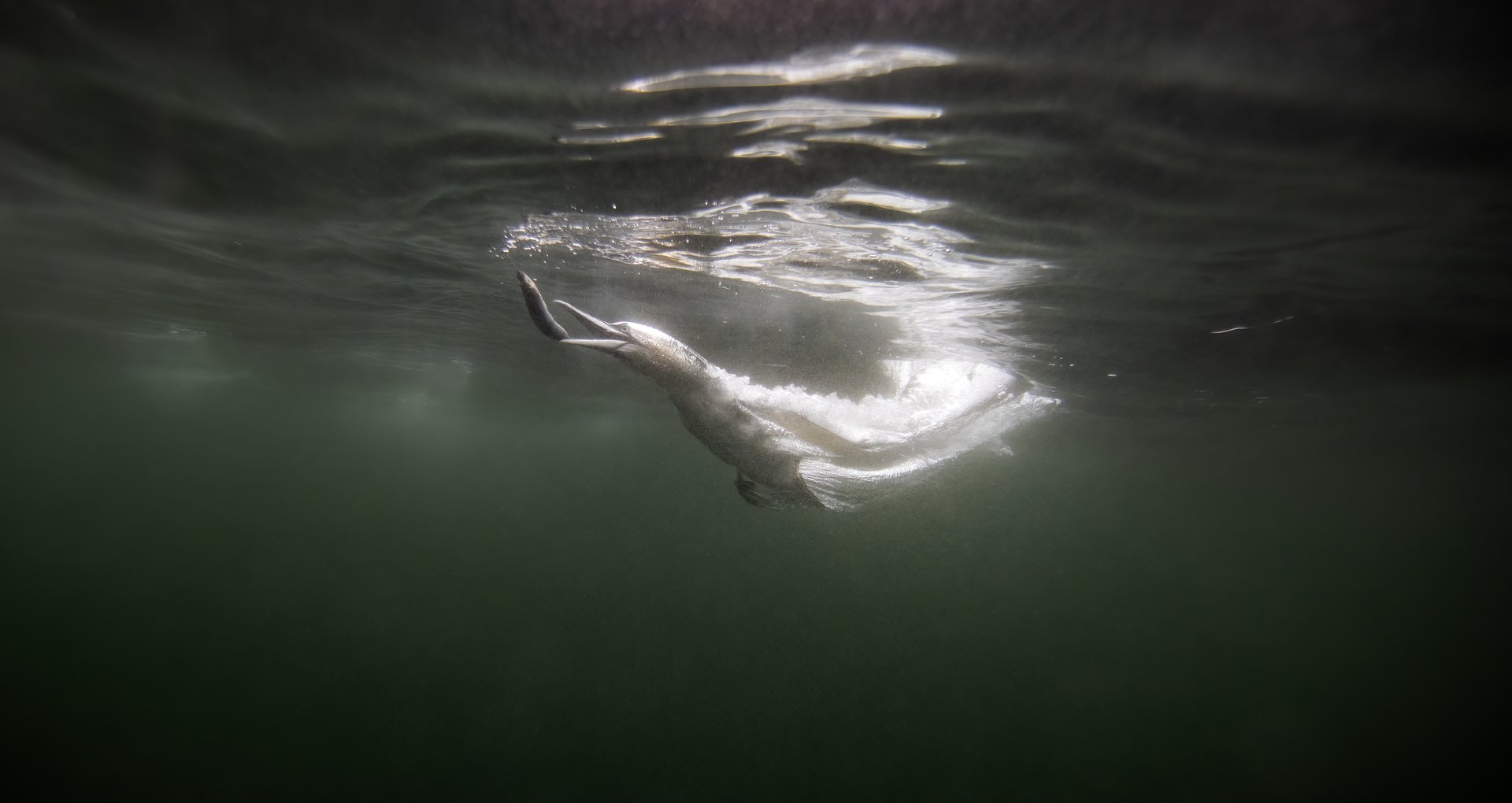
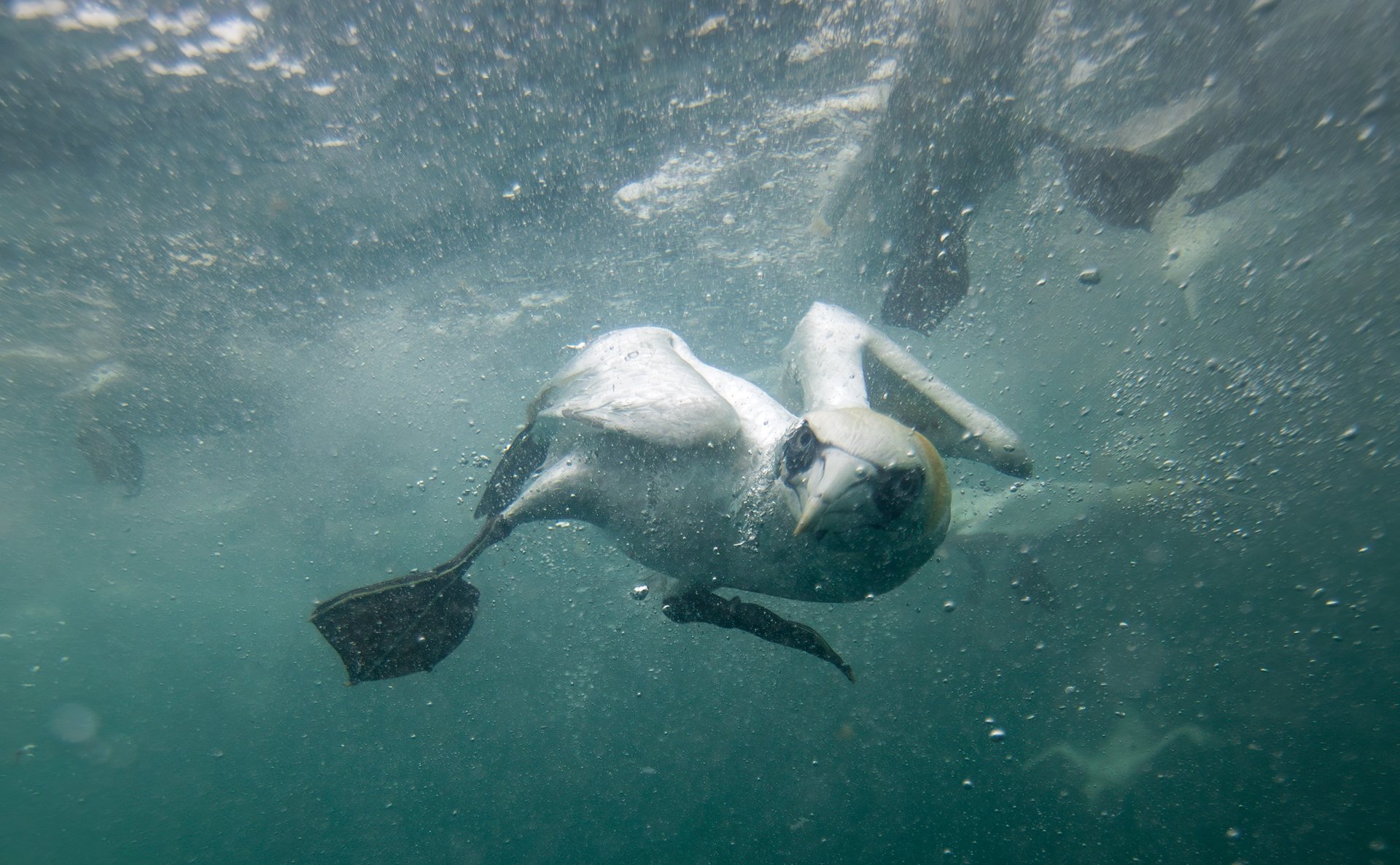
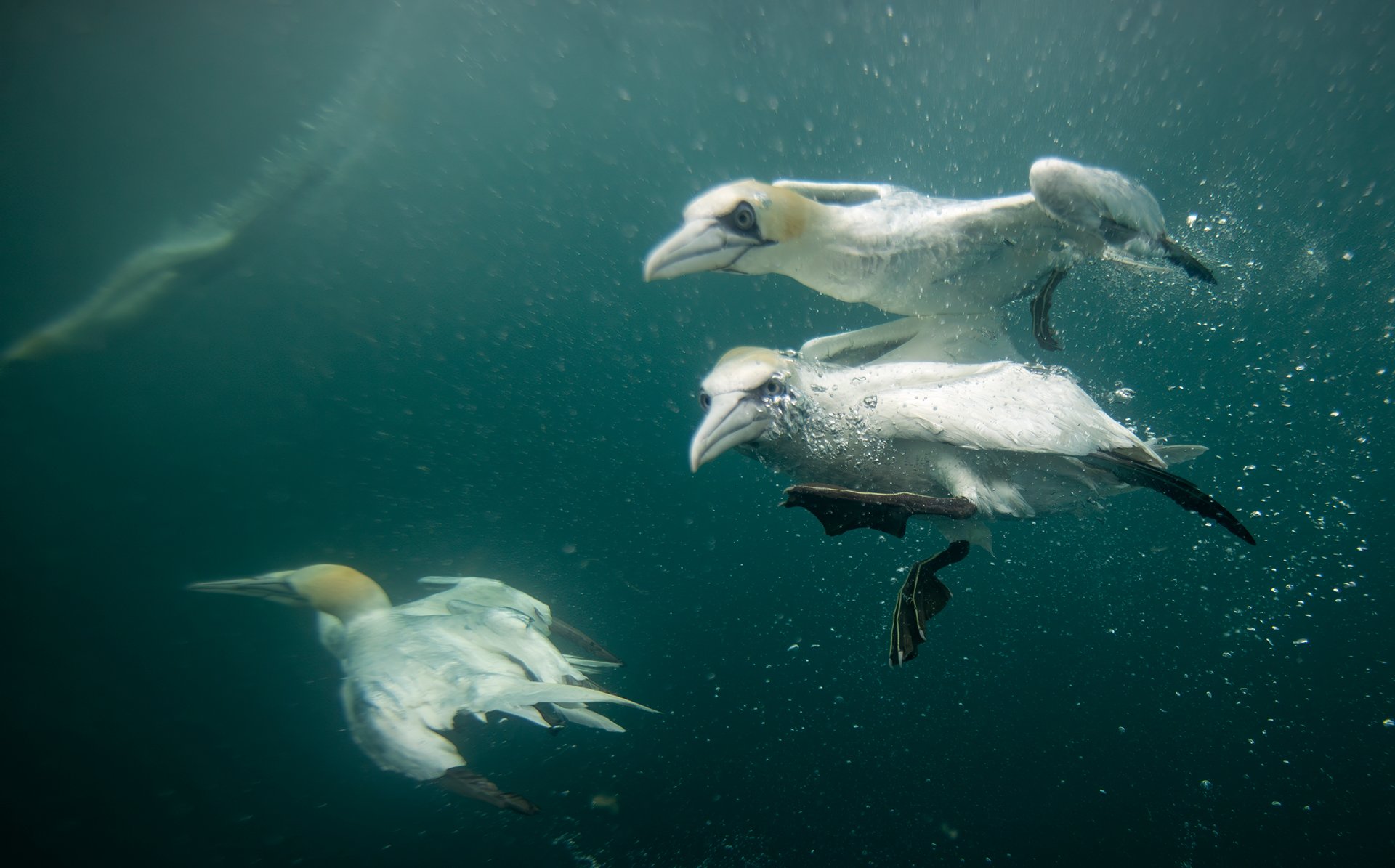
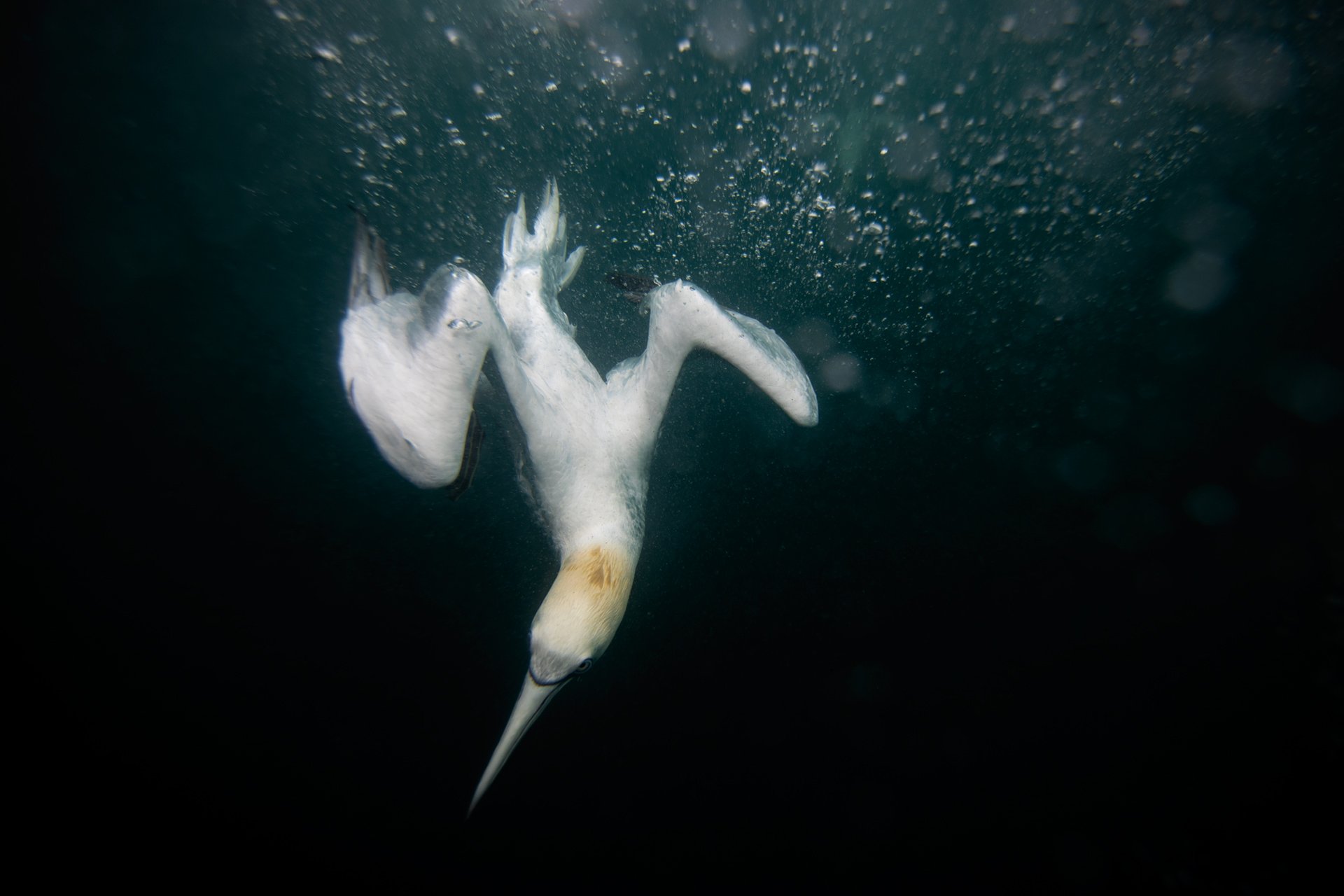

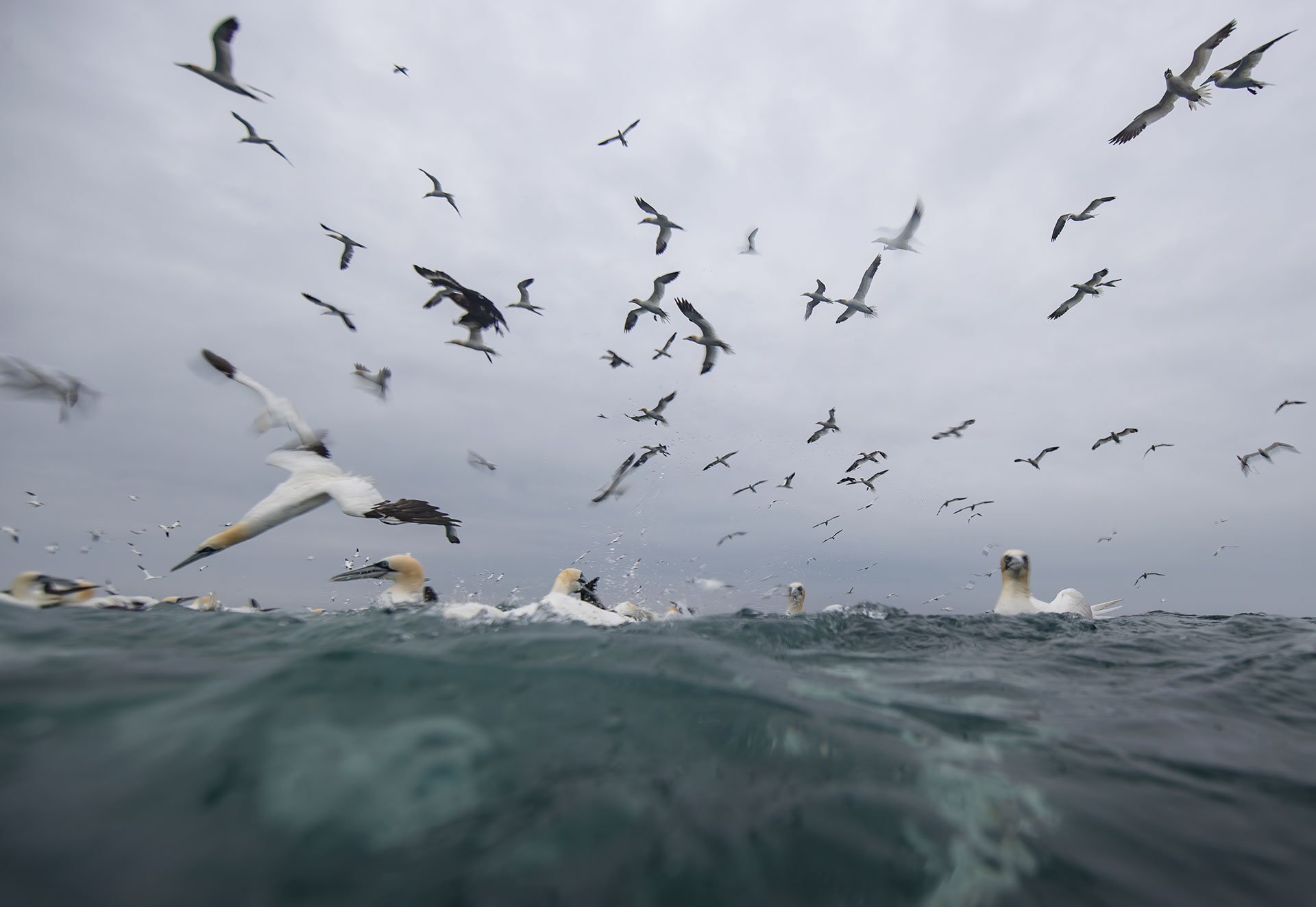
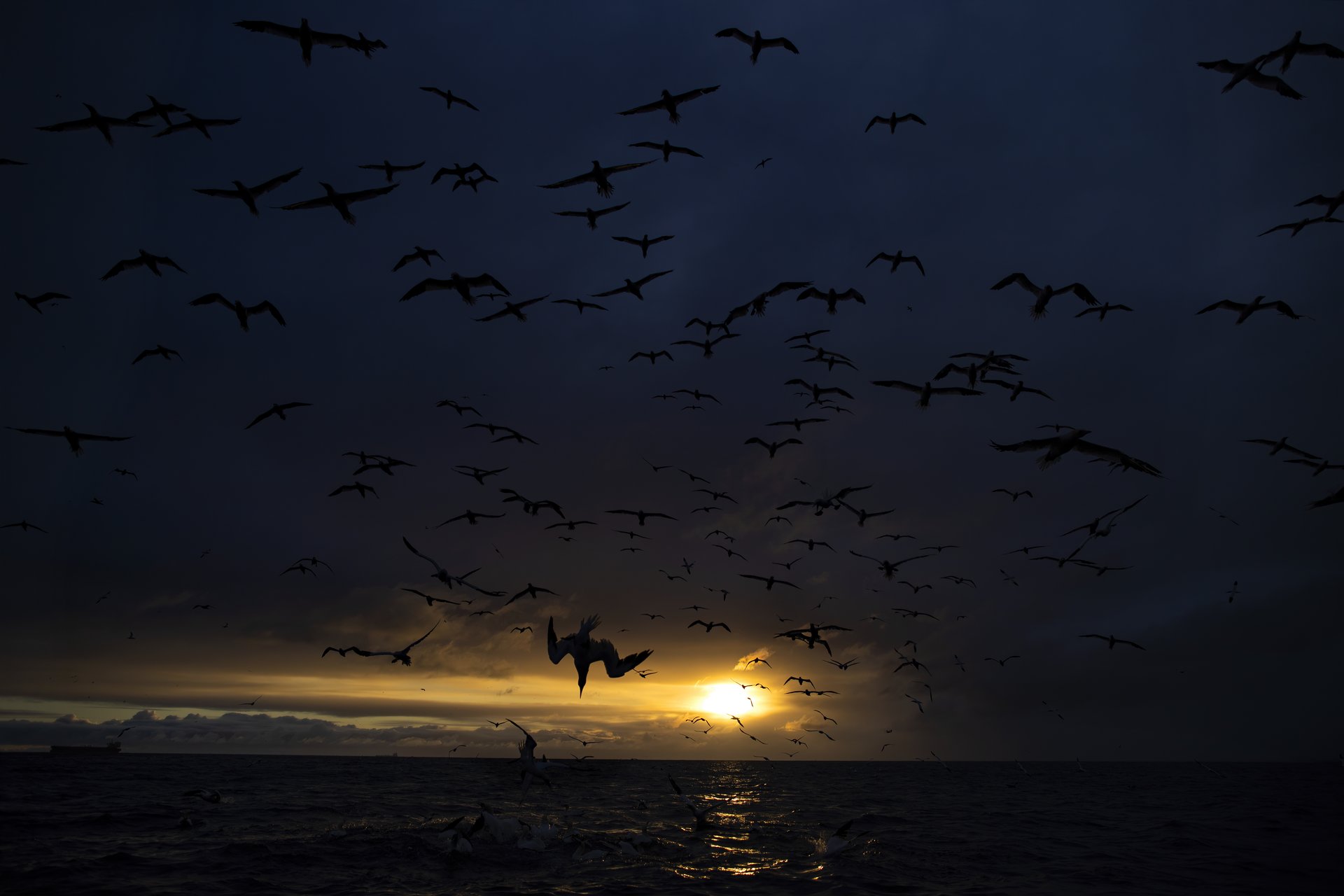
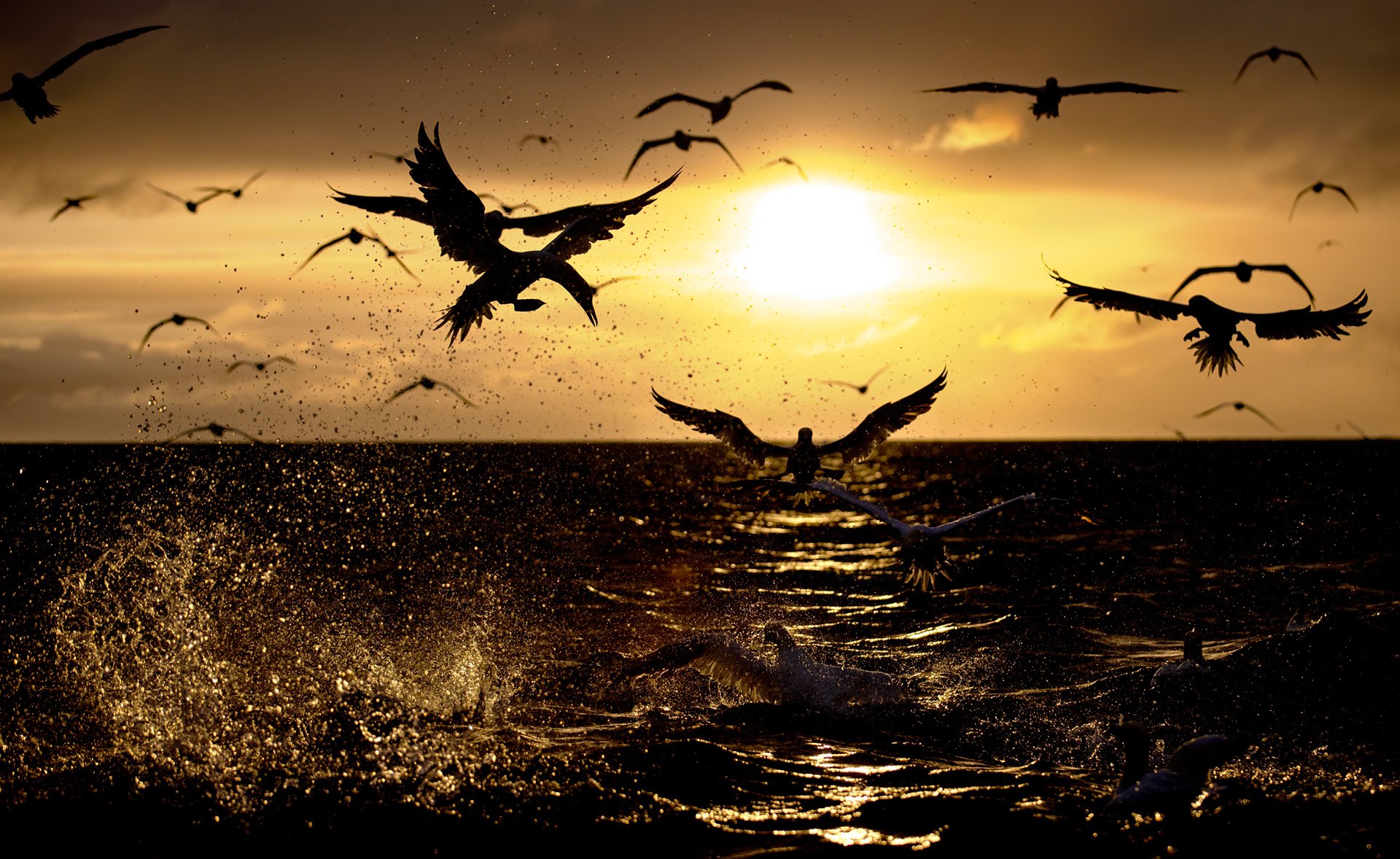
All photographs © Brian Matthews
Operated in partnership with
Blue Wild Boat Trips
Specialist wildlife charter operators with extensive experience around Bass Rock and the Firth of Forth.
Your guide
Award-winning wildlife & conservation photographer
Brian W Matthews is an award-winning wildlife and conservation photographer with over two decades of experience. A former physicist, he turned a lifelong passion for the natural world into a full-time photography career, travelling to more than 50 countries from the Arctic to the Amazon.
He is a three-time finalist in the prestigious Wildlife Photographer of the Year, including his acclaimed image Storm Warning, and has received commendations in Nature's Best, Travel Photographer of the Year, GDT European Wildlife Photographer of the Year, and others. His work has been published in BBC Wildlife Magazine, The Guardian, The Sunday Times Travel Magazine, Outdoor Photography, and Terre Sauvage.
For the past four years Brian has been working on an ambitious project documenting the UK's Coast and Islands, from the storm-battered cliffs of Shetland to the Scilly Isles, focusing on coastal biodiversity, the people who protect it, and the pressures it faces. Bass Rock and its gannet colony sit at the heart of that project.
On this day, Brian is in the water alongside participants throughout the in-water sessions, providing hands-on support with positioning, timing and camera settings, as well as getting his own shots.

